

Corporate events are powerful tools for businesses. Whether it’s an annual gala, product launch, or team-building retreat, these events leave a lasting impression on attendees and can elevate a brand’s image.
However, pulling off a seamless, memorable event requires thoughtful planning and attention to detail. If you’re tasked with organizing a corporate event, this guide will walk you through essential steps, from initial planning to the final execution, ensuring your event is one for the books. Let’s start!
Define Your Event’s Purpose
Every successful event starts with a clear goal. Ask yourself, why is this event taking place? Is it to build internal morale, celebrate company achievements, or strengthen partnerships with clients? Understanding your purpose will guide every decision, from the theme to the guest list.
For example, if you’re hosting an employee appreciation party, the focus might be lively activities and entertainment. On the other hand, for an investor presentation, a professional and polished atmosphere might be your priority.
Choose the Right Venue
Your venue choice can set the tone for the entire event. Think about the nature of the event, your audience, and accessibility. A downtown hotel ballroom might suit a gala, while a modern rooftop might work perfectly for a product launch.
Additionally, look for venues with built-in event support, such as AV equipment or on-site amenities. This can save you time and reduce logistical headaches.
Enlist the Help of Professionals for Setting Up
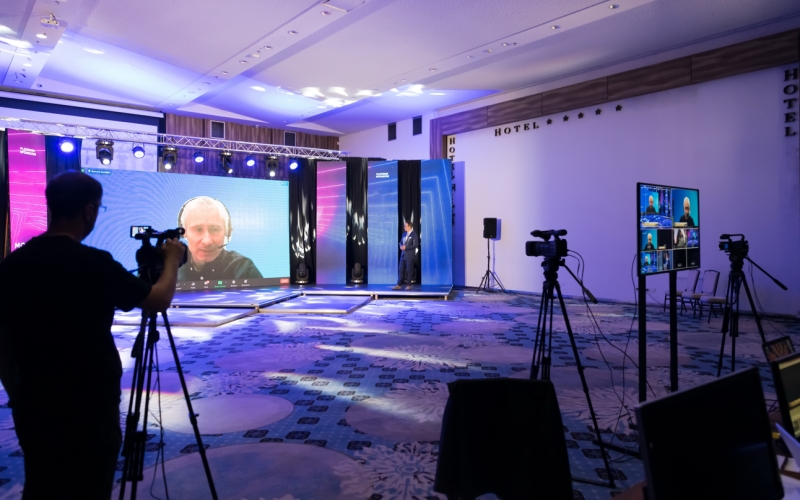
The visual and technical aspects of your event play a significant role in its success. Professional event setup services take the stress out of constructing stages, managing lighting, and ensuring audio and video work seamlessly.
Proper lighting can create the right ambiance, while clear, reliable sound ensures every message is heard. Whether it’s a dynamic live presentation or a dazzling keynote session, working with experts ensures these elements enhance your event rather than detract from it.
Craft a Memorable Program
A structured program that flows well keeps attendees engaged. Avoid cramming too many activities into a tight schedule. Consider incorporating speeches, networking breaks, workshops, and entertainment in a balanced manner.
For example, a panel discussion might segue into a light networking session, offering attendees a chance to connect. Variety not only keeps people attentive but also ensures something for everyone.
Prioritize High-Quality Catering
Food and drink can make or break your event. Great catering leaves a positive impression, while poor-quality food might dampen the mood. Work with a professional catering team that understands your audience’s preferences, dietary restrictions, and the event’s theme.
For morning events, breakfast stations with fresh coffee may suffice. For larger gatherings, elaborate buffet options or plated dinners could elevate the experience. Serving refreshing beverages and snacks during midday breaks will also keep energy levels high.
Engage With Thoughtful Branding
Every corporate event is a chance to reinforce your company’s identity. Incorporate branding elements creatively and tastefully throughout the event. Use branded backdrops, themes, and decor to ensure your brand is front and center without overwhelming the overall experience.
For events like launches or trade shows, giveaway items and branded stage visuals can leave a lasting impression. Subtle touches such as branded napkins, name tags, or signage also reinforce the brand’s connection with attendees.
Promote the Event Strategically
Promotion ensures the right people show up. Use multiple channels to spread the word, including email marketing, social media platforms, and targeted ads.
Be clear in your communication. Share the event’s agenda, location, and how attendees can RSVP. Personalize invitations for VIP guests, such as clients or investors, to make them feel especially valued.
Plan for Seamless Execution
Even the most meticulously planned events need a strong day of execution. Hiring an event coordinator or on-site manager to oversee the event eliminates on-the-spot stress. Ensure team members know their roles, from registration points to technical troubleshooting.
Prepare backup plans for potential issues like unexpected weather or technical failures. Smooth execution ensures that attendees focus on the experience, not the behind-the-scenes.
Make Follow-Up Part of Your Plan
Your event doesn’t end when the last attendee leaves. Post-event follow-up solidifies connections and continues the momentum you’ve built.
Send personalized emails thanking attendees for coming. Share event highlights via social media or newsletters to reach those who missed it. If appropriate, send out surveys to gather feedback for improvements in the future.
A great corporate event is an opportunity to build connections, strengthen partnerships, and leave a lasting impression. By focusing on the key areas discussed above, you’ll elevate your event from ordinary to exceptional.
Start planning with these tips and make it a show-stopping corporate event that will be talked about for years to come. Remember, the perfect event requires thoughtful planning and attention to detail. With this guide in hand, you’re well on your way to achieving just that!