

Are you struggling to keep up with increasing warehouse demands? Do delays, inefficiencies, or mismanaged inventory cost your business time and money? In today’s fast-paced supply chain environment, these challenges are more common than ever. Warehouse efficiency has become a critical determinant of business success, and organizations are constantly seeking ways to reduce operational costs, improve productivity, and ensure timely delivery. Optimizing warehouse efficiency is not merely about speed—it involves leveraging the right combination of equipment, technology, and specialized services that enable seamless operations. In this article, we explore the key strategies and resources businesses can rely on to achieve a highly efficient warehouse environment.
Understanding Warehouse Efficiency
Warehouse efficiency refers to the ability of a warehouse to store, handle, and dispatch goods in a manner that minimizes waste, reduces errors, and maximizes throughput. Efficiency is influenced by factors such as inventory management, staff productivity, equipment reliability, and workflow design. An optimized warehouse ensures that products move quickly from receiving to storage, and ultimately to shipping, with minimal delays or errors. Achieving this level of efficiency requires more than just operational know-how—it requires investing in the right tools and services.
Essential Equipment for Streamlined Operations
A modern warehouse depends on a combination of traditional and automated equipment to handle goods effectively. Some of the most critical equipment includes:
- Material Handling Equipment
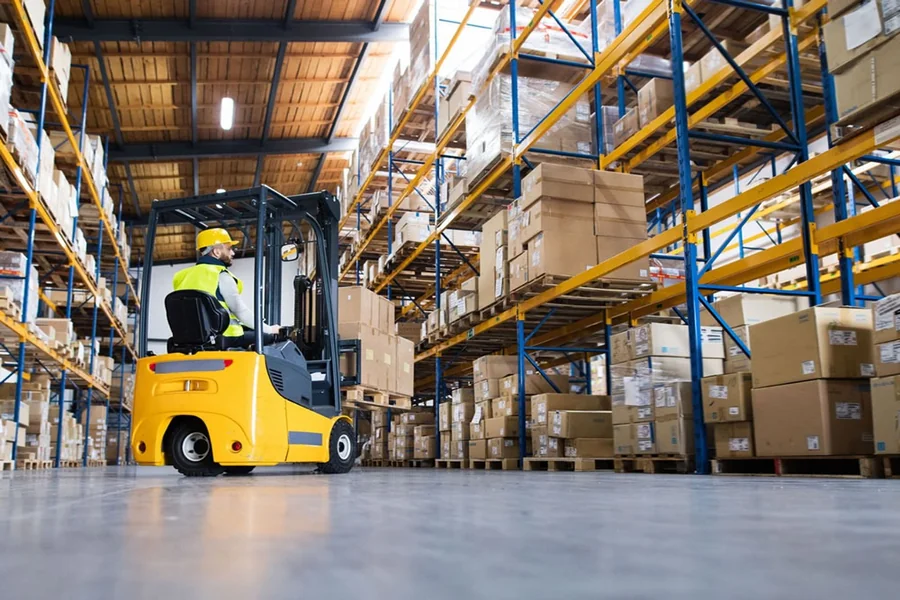
Forklifts, pallet jacks, and conveyors are the backbone of any warehouse. Forklifts allow for quick movement of heavy pallets, while pallet jacks are perfect for navigating tight spaces. Conveyors, on the other hand, streamline the transfer of goods across different zones within the warehouse, reducing manual handling and speeding up order fulfillment. For businesses that require flexibility, convenient forklift hire provides a cost-effective solution to access reliable material handling without long-term commitments.
- Storage Solutions
Efficient storage is crucial for maximizing space and reducing picking time. High-density shelving, pallet racking, and automated storage and retrieval systems (AS/RS) allow warehouses to store more products in less space while providing quick access. Modular shelving and mobile racks also offer flexibility, enabling warehouses to adjust layouts according to changing inventory needs.
- Picking and Packing Tools
Accurate order fulfillment relies on effective picking and packing equipment. Barcode scanners, mobile data terminals, and pick-to-light systems reduce human error by guiding staff to the correct items. Additionally, automated packing stations help optimize packaging size and materials, improving shipping efficiency and reducing waste.
- Climate Control Systems
For warehouses handling perishable goods or sensitive materials, temperature and humidity control systems are essential. Proper climate management ensures product integrity and reduces losses due to spoilage or damage, particularly in food, pharmaceutical, and chemical storage.
Technology-Driven Efficiency
Beyond physical equipment, technology plays an increasingly pivotal role in optimizing warehouse operations. The following systems are integral to modern warehouse management:
- Warehouse Management Systems (WMS)
A robust WMS provides real-time visibility into inventory, tracks product movement, and assists in labor planning. Advanced WMS platforms integrate with enterprise resource planning (ERP) systems, providing insights that enable smarter decision-making, reduce stockouts, and optimize replenishment.
- Automation and Robotics
Automation reduces manual labor and enhances accuracy. Automated guided vehicles (AGVs), robotic picking arms, and autonomous conveyors can handle repetitive tasks efficiently. While initial investment can be significant, automation often results in long-term savings and improved throughput.
- Data Analytics and Reporting Tools
Collecting and analyzing operational data allows warehouses to identify bottlenecks and inefficiencies. Metrics such as order cycle time, inventory turnover, and labor productivity help managers implement targeted improvements. Predictive analytics can also forecast demand, ensuring adequate stock levels and minimizing overstock situations.
Leveraging Specialized Services
In addition to equipment and technology, partnering with specialized warehouse services can enhance operational efficiency. Reliable services include:
- Third-Party Logistics (3PL) Providers
3PL companies offer warehousing, transportation, and fulfillment services, enabling businesses to scale without significant capital investment. These providers have expertise in inventory management, distribution, and order fulfillment, allowing companies to focus on core operations.
- Equipment Maintenance and Repair Services
Regular maintenance of forklifts, conveyors, and other machinery prevents downtime and extends equipment life. Many warehouses rely on service contracts with certified technicians to ensure that equipment remains in optimal condition, reducing the risk of costly breakdowns.
- Consulting and Process Optimization Services
Industry experts can evaluate warehouse layouts, workflow processes, and staffing strategies to identify opportunities for efficiency gains. Implementing lean warehouse practices, such as reducing excess movement and streamlining order picking paths, can significantly boost productivity.
Best Practices for Warehouse Efficiency
Optimizing warehouse operations requires a combination of smart planning, staff training, and strategic investment in equipment and services. Some best practices include:
- Implementing Lean Principles: Identify and eliminate waste in storage, handling, and transport processes to improve overall efficiency.
- Regular Staff Training: Skilled employees can operate equipment safely and efficiently, reducing errors and accidents.
- Adopting Scalable Solutions: As business grows, warehouses should be able to expand storage capacity and integrate new technologies without major disruptions.
- Monitoring Key Performance Indicators (KPIs): Track metrics such as order accuracy, picking speed, and labor utilization to continuously refine processes.
- Investing in Safety Measures: Efficient operations must also be safe. Proper lighting, clear signage, and ergonomic equipment prevent workplace injuries and maintain productivity.
Future Trends in Warehouse Optimization
The future of warehouse efficiency will be shaped by emerging technologies and evolving consumer demands. Key trends include:
- Artificial Intelligence (AI) and Machine Learning: AI-powered tools can optimize inventory placement, predict demand fluctuations, and recommend operational improvements.
- Autonomous Robotics: Increased adoption of autonomous forklifts and robotic pickers will further reduce reliance on manual labor.
- Sustainable Practices: Energy-efficient equipment, eco-friendly packaging, and waste reduction strategies will become critical components of efficient warehouses.
- IoT Integration: Internet of Things (IoT) devices provide real-time tracking of assets, equipment health, and environmental conditions, enabling proactive decision-making.
Optimizing warehouse efficiency is a multifaceted challenge that requires the right combination of equipment, technology, and specialized services. By investing in modern material handling equipment, advanced storage solutions, and robust warehouse management systems, businesses can streamline operations, reduce costs, and enhance customer satisfaction. Additionally, partnering with reliable service providers for maintenance, logistics, and process optimization ensures long-term sustainability and performance.
As market demands evolve, warehouses that embrace automation, data-driven decision-making, and scalable solutions will be best positioned to stay competitive. Efficiency is not just about speed—it is about creating a cohesive, intelligent system where every process, piece of equipment, and service contributes to seamless operations. Companies that successfully implement these strategies will not only optimize their warehouse efficiency but also gain a significant advantage in the highly competitive world of supply chain management.
