

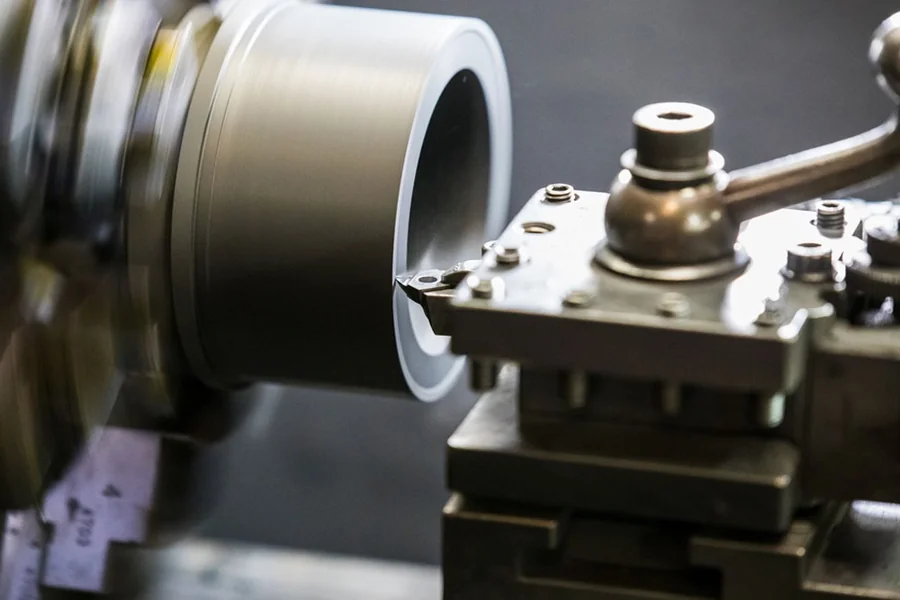
Mechanical seals prevent fluid leakage in pumps, compressors, and rotating equipment, with the seal face being the key sealing surface. Carbon stands out for its strength, lubricity, and resistance to wear and extreme temperatures, making it a top choice for demanding industries from chemical processing to power generation.
Why Carbon is Ideal for Mechanical Seal Faces
Carbon materials for mechanical seal faces are typically manufactured from a graphite base, which is then impregnated with resins, metals, or other additives to enhance specific properties. The resulting material delivers several advantages:
Excellent Self-Lubricating Properties
Carbon’s natural lubricity minimizes friction between seal faces, reducing wear and extending service life. This is especially important when handling fluids with poor lubricating qualities or during dry-running conditions.
Low Coefficient of Thermal Expansion
Unlike metals, carbon exhibits minimal expansion under heat, ensuring dimensional stability and consistent sealing performance even in high-temperature applications.
Corrosion and Chemical Resistance
Impregnated carbon seal faces resist attack from various corrosive chemicals, making them suitable for aggressive process environments.
Lightweight but Strong
Carbon offers a high strength-to-weight ratio, reducing stress on rotating equipment while maintaining durability.
High Thermal Conductivity
Carbon effectively dissipates heat generated at the seal interface, helping to prevent thermal damage and prolonging seal life.
Common Impregnation Methods
To tailor the properties of carbon seal faces, manufacturers use various impregnation methods:
Resin-Impregnated Carbon
It increases strength and wear resistance and is ideal for general-purpose sealing.
Antimony-Impregnated Carbon
Enhances hardness and load-carrying capacity for heavy-duty applications.
Copper or Metal-Impregnated Carbon
Boosts thermal conductivity and improves heat dissipation in high-speed operations.
Ceramic-Impregnated Carbon
Provides superior resistance to abrasive wear in slurry or particle-laden fluids.
Applications Across Industries
Carbon mechanical seal faces are used wherever reliability under demanding conditions is critical:
Chemical Processing
Pumps and mixers handling corrosive or abrasive fluids benefit from carbon’s chemical resistance and wear tolerance.
Oil and Gas
Seals in drilling pumps, compressors, and offshore equipment require durability in extreme temperature and pressure conditions.
Power Generation
Turbine and boiler feedwater pumps rely on carbon seal faces for consistent sealing under high thermal loads.
Food and Beverage
Equipment requiring hygienic, lubricant-free operation often uses carbon seal faces for contamination-free sealing.
Water and Wastewater Treatment
Carbon resists chemical treatments and abrasives found in filtration and pumping systems.
Pharmaceutical Industry
Carbon seal faces are preferred for sanitary applications where chemical resistance and smooth operation are vital.
Design Considerations
Selecting the right carbon mechanical seal face requires balancing several factors:
- Operating Temperature and Pressure – Ensure the carbon grade and impregnation method match the expected thermal and pressure loads
- Fluid Characteristics – Consider fluid lubricity, chemical composition, and abrasiveness
- Speed and Load – High-speed or heavily loaded seals may require harder, metal-impregnated carbons for durability
- Environmental Conditions – Extreme cold, high humidity, or vacuum environments may influence material choice.
Advantages Over Other Materials
Compared to ceramics, tungsten carbide, or silicon carbide, carbon mechanical seal faces offer unique benefits:
- Lower Friction – Reduces wear on both the carbon and the counterface.
- Better Dry-Running Capability – Can tolerate brief dry operation without catastrophic damage.
- Lighter Weight – Easier on bearings and shafts, reducing operational strain.
- Cost-Effective – High-performance grades can be more expensive, but carbon often offers better life-cycle cost efficiency due to reduced maintenance.
Maintenance and Longevity
While carbon mechanical seal faces are known for their long service life, proper care is key:
- Prevent Dry-Running—Although carbon can tolerate dry running better than many materials, prolonged dry operation should be avoided.
- Ensure Proper Lubrication – Process fluid should provide adequate lubrication between seal faces.
- Avoid Particulate Damage – Install filters or strainers to minimize abrasive particles in the sealing fluid.
- Follow Manufacturer Guidelines – Use recommended installation procedures and operating limits.
With proper design and maintenance, carbon mechanical seal faces can operate reliably for years, minimizing downtime and repair costs.
Choose Carbon Mechanical Seal Faces
Carbon mechanical seal faces offer self-lubrication, thermal stability, chemical resistance, and lightweight strength—ideal for demanding industries like chemical processing and power generation. The right grade and impregnation method ensure long-lasting, efficient sealing, minimizing downtime and maximizing productivity.
