

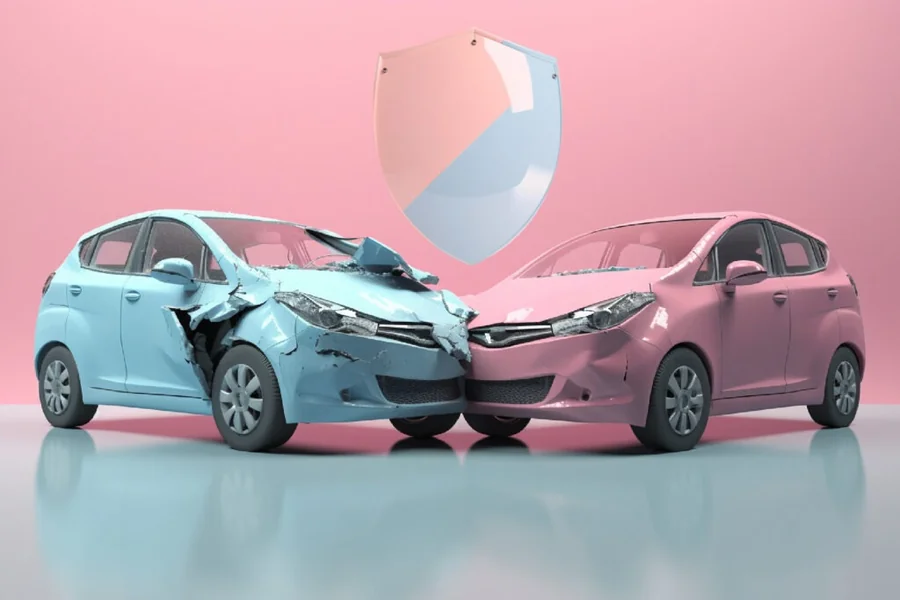
In the world of risk management, protecting yourself from potential claims is a top priority, whether you’re on the road or running a business. While both third party car insurance and public liability insurance are designed to protect you from financial liability to others, they operate in completely different spheres of life. Understanding their distinct purposes and applications is crucial for making sure you have the right coverage for your specific needs.
The Purpose of Third-Party Car Insurance
Third-party car insurance is the most basic and often legally mandated form of vehicle insurance. Its sole purpose is to protect you, the driver (the first party), and your insurance company (the second party) from financial claims made by a third party. A third party is any person, vehicle, or property that you cause damage or injury to in an accident.
This type of policy is a foundational requirement for all vehicle owners, as it ensures that victims of an accident are compensated. However, it’s important to understand what it does not cover:
- Your own vehicle: Damages to your own car are not covered. You would need comprehensive coverage for that.
- Your own injuries: Any medical costs for you, the driver, are also not covered.
In short, third-party car insurance is a legal and ethical shield that protects you from the financial responsibility of harming others on the road.
The Role of Public Liability Insurance
In contrast, public liability insurance is a type of business insurance. Its purpose is to protect a company from financial losses resulting from claims of injury or property damage made by members of the public. The “public” can include customers, clients, suppliers, or anyone else not directly employed by the business.
This type of insurance is a crucial safety net for any business that interacts with the public, from a small retail shop to a large construction company. Examples of situations where public liability insurance would apply include:
- A customer slipping on a wet floor and injuring themselves in your store
- A contractor accidentally damaging a client’s property during a service call.
- An event attendee being injured due to a faulty setup at your event.
Without this coverage, a business could face a major lawsuit and potentially crippling financial losses from a single accident. While not always legally mandated, it is a commercial necessity for mitigating operational risk
In conclusion, both third-party car insurance and public liability insurance are essential forms of protection against unforeseen events. The former is a non-negotiable part of responsible driving, ensuring that the victims of an accident are taken care of. The latter is a fundamental component of running a responsible business, providing a vital shield against the potential for legal and financial ruin from an unexpected incident. While they share a common goal of protecting against liability, their worlds are entirely separate, one rooted in the rules of the road and the other in the risks of commerce.
