

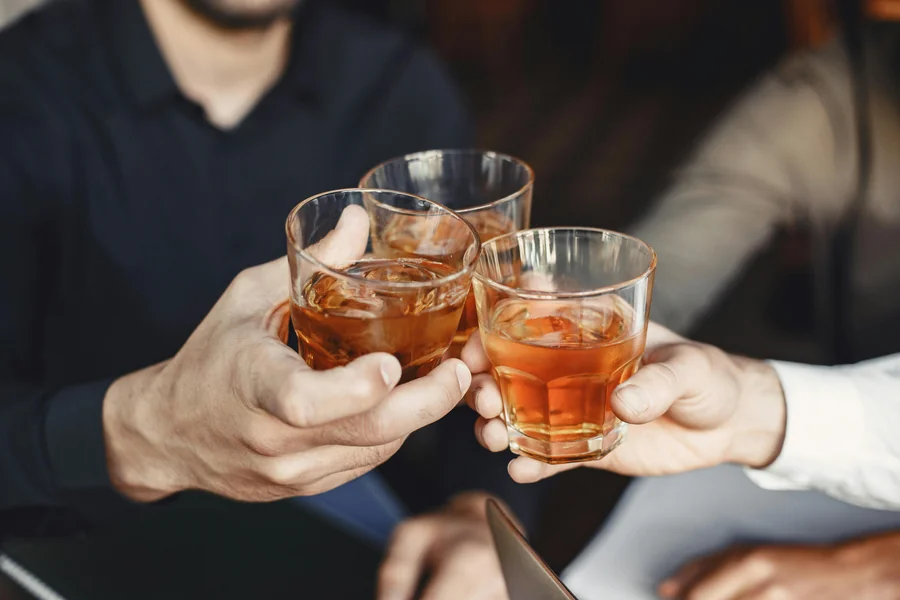
Craft spirits have taken the American beverage scene by storm, but their growing popularity is about much more than trends. Behind every bottle is a story of craftsmanship, patience, and passion that starts long before it ever touches a glass. Unlike mass-produced options, craft alcohol made in America is often the product of small teams and local ingredients, reflecting the character of both the makers and the regions they represent. Understanding how these spirits go from grain to glass can give you a whole new appreciation for what’s in your glass.
Selecting Ingredients with Care
Every great craft spirit begins with the basics: the raw materials. Grains like corn, barley, and rye are staples in whiskey production, while sugarcane or molasses form the backbone of rum, and botanicals such as juniper berries shape gin. What sets craft distillers apart is their devotion to sourcing. Many rely on local farms or regional suppliers, not only to ensure freshness but also to highlight flavors unique to their area.
This attention to sourcing is similar to how chefs celebrate local produce in restaurants. A distiller may choose heirloom corn varieties that impart sweeter notes or use locally grown herbs that add distinct character to a gin. By carefully selecting ingredients, these makers create spirits that are both rooted in tradition and influenced by modern creativity.
Creating the Mash
Once the ingredients are chosen, the next step is transforming them into something fermentable. For grain-based spirits, the process starts by milling the grains into a coarse powder. This is then mixed with water and heated, which helps release natural starches. To make those starches useful for fermentation, enzymes break them down into sugars—a process known as mashing.
Though it sounds technical, the concept is simple: yeast eats sugar and produces alcohol. By creating the mash, distillers are preparing the perfect meal for yeast to thrive. This stage is often where subtle decisions, like water quality and mash temperature, influence the final taste. Craft distillers, working in smaller batches, have the flexibility to experiment and refine this process until it produces the balance they’re aiming for.
Guiding Fermentation
With the mash ready, yeast is introduced, and fermentation begins. This stage may last anywhere from a few days to a week, depending on the type of spirit being crafted. During fermentation, the yeast consumes the sugars and produces alcohol, along with flavor compounds that give the spirit its personality.
Fermentation is part science and part art. The choice of yeast strain alone can make a huge difference—some yeasts bring fruity notes, while others highlight earthy or spicy tones. Small-batch distillers often take the time to monitor this stage closely, ensuring that the flavors developing align with the profile they envision. This is one of the areas where craft makers truly leave their signature on the final product.
Refining Through Distillation
Distillation is where the alcohol is separated from the rest of the mash, concentrating its strength and refining its flavor. Traditionally, this is done in copper stills, which not only heat the liquid but also react with unwanted compounds, leaving behind a cleaner, smoother spirit.
The process requires both precision and intuition. As the liquid boils, vapors rise and are captured, then cooled back into liquid form. Distillers carefully control which parts of the vapor—known as “cuts”—they keep. The first vapors to come off the still can contain harsh or even toxic elements and are discarded. The middle portion, called the “heart,” is what becomes the spirit. Finally, the last portion, known as the “tails,” often has heavier flavors and may be recycled. Choosing when to make these cuts is a skill honed over years, and it greatly affects the quality of the final product.
Aging and Bottling with Intention
Not all craft spirits are aged, but for those that are—such as whiskey or certain rums—the final product owes much of its flavor to time spent in barrels. Oak barrels, in particular, not only give spirits their golden color but also add complexity, layering in notes of vanilla, caramel, or spice. The climate where the barrels are stored also plays a role; hot summers and cold winters cause the wood to expand and contract, pushing the spirit in and out of the barrel’s pores.
Even unaged spirits like gin or vodka require intention before bottling. Distillers often refine their spirits with careful blending or the addition of botanicals, ensuring that the final product matches their vision. Bottling is the last step in a long journey, but it’s more than just packaging—it’s the moment when months or years of effort are shared with the world.
Appreciating the Craft
The journey from grain to glass is anything but simple. It’s a labor of love that combines science, tradition, and creativity in every step. From sourcing the finest ingredients to patiently waiting as a spirit matures, craft distillers pour themselves into their work. That’s why every sip of a carefully made spirit feels like more than just a drink—it feels like a story.
When you enjoy craft alcohol made in America, you’re not just supporting a product—you’re supporting the dedication of people who care about quality, authenticity, and the art of distilling. Next time you raise a glass, take a moment to think about the journey it’s taken. Chances are, it will taste even better.
