

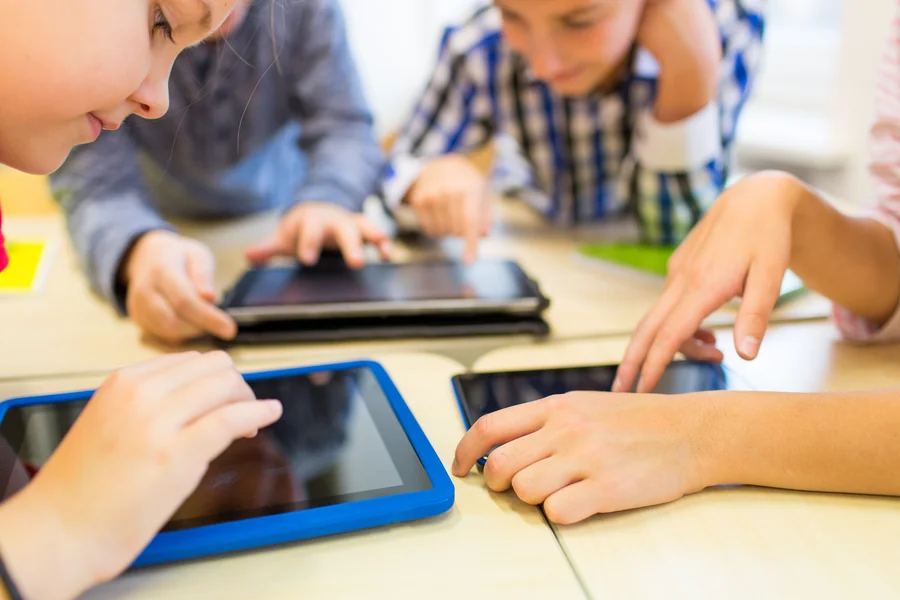
Behavioral therapy used to mean clipboards, paper charts, sticky notes, and giant binders stuffed into backpacks that somehow always disappeared at the worst possible time.
Now the field looks very different.
Parents can track routines on apps. Therapists can coach families through video sessions. Teachers can share behavior updates instantly rather than waiting three weeks for conferences. Some children even practice social skills through interactive games and virtual environments.
Technology is not replacing behavioral support. It is changing how support happens, where it happens, and how quickly families can respond when problems show up.
That shift matters because demand for behavioral services continues to rise. According to the CDC, about 1 in 36 children in the United States is diagnosed with autism spectrum disorder. Many families also seek behavioral support for ADHD, emotional regulation challenges, anxiety, communication delays, and learning difficulties.
The problem is access.
Long waitlists, therapist shortages, and travel time create huge barriers for families. Technology is starting to close some of those gaps.
Therapy No Longer Has to Happen in One Room
One of the biggest changes involves telehealth.
Before 2020, many behavioral programs relied heavily on in-person sessions. Then the pandemic forced providers and families to experiment quickly. What started as an emergency solution turned into something much bigger.
Research now shows that telehealth-based behavioral therapy can produce outcomes similar to those of in-person treatment for many children. One review found behavioral improvements occurred for about 98% of children receiving telehealth ABA services, while parent satisfaction stayed high.
That changed expectations across the industry.
Families in smaller towns suddenly gained access to specialists hours away. Parents stopped spending entire afternoons driving to appointments. Therapists could observe children in their actual home environments rather than in clinical offices filled with fluorescent lights and toy bins.
“One child I worked with struggled constantly in clinic settings,” one behavioral specialist explained. “Then we started sessions from home and realized the biggest trigger was transitions in parking lots. Nobody had noticed because the behavior happened before therapy even started.”
That kind of insight matters.
Home environments show the real problems families deal with every day:
- homework battles
- dinner meltdowns
- bedtime chaos
- sibling conflicts
- transitions between activities
Technology lets therapists see those moments firsthand rather than hearing rushed summaries later.
Parents Are Becoming More Involved
Older therapy models sometimes kept parents on the sidelines.
That is changing fast.
Modern platforms enable therapists and caregivers to communicate more consistently through shared notes, behavior-tracking systems, and live coaching sessions. Telehealth studies found parents became more engaged in treatment plans when technology made communication easier and more frequent.
That involvement improves outcomes because children spend most of their lives outside therapy sessions.
A therapist might work with a child for a few hours each week. Parents handle everything else:
- mornings before school
- after-school transitions
- dinner routines
- bedtime
- weekend activities
Technology helps connect those environments.
Alyssa Ciarrocchi remembers one family that struggled with aggressive behavior during homework time.
“The parents thought the sessions themselves were the solution,” she says. “Once we started sharing short video clips and behavior updates during the week, they realized the biggest issue was actually how homework started every day.”
The child went straight from playing video games to difficult assignments, with no transition period.
The fix was surprisingly simple:
five minutes of movement, a snack, then homework.
The behavior improved because the adults could finally spot patterns faster.
Behavior Tracking Is Getting Smarter
Old-school behavior tracking looked exhausting.
Therapists manually counted behaviors with clickers or scribbled notes on paper sheets that later had to be entered into spreadsheets. Parents often forget details by the end of the day because real life moves fast.
New systems speed up that process dramatically.
Apps now track:
- routines
- communication goals
- emotional triggers
- sleep patterns
- reinforcement systems
- progress over time
That data matters because behavior patterns are easier to spot when information stays organized.
One child kept melting down every Thursday afternoon. The family thought the issue was random.
Turns out Thursday was the only day with back-to-back after-school activities and no downtime before dinner.
The pattern became obvious once routines were logged consistently.
Technology helps remove guesswork.
Children Often Respond Better to Interactive Tools
Kids already interact with screens constantly. Behavioral support is adapting to that reality instead of fighting it nonstop.
Some therapy programs now use gamified learning systems that turn communication, emotional regulation, and social skills into interactive activities. One recent study found that game-based behavioral therapy tools helped improve focus and reduce non-therapeutic downtime during sessions.
That matters because attention is one of the hardest things to maintain during therapy.
Children respond strongly to feedback loops:
- sounds
- rewards
- progress bars
- levels
- visual achievements
Adults do too. Fitness apps basically turned exercise into a video game years ago.
Behavioral support borrows similar ideas.
“One little boy hated practicing conversation skills,” a behavioral therapist recalled. “Then someone turned it into a point-based challenge where he earned pieces to build virtual race cars. Suddenly, he wanted extra practice.”
The skill stayed the same.
The format changed.
Rural Families Are Seeing Bigger Benefits
Technology may be helping rural communities more than anyone else.
Access to specialized behavioral services can be extremely limited outside major cities. Some families previously drove multiple hours for appointments or joined waiting lists that stretched for months.
Telehealth removes much of that distance problem.
Research found that telehealth models dramatically expanded geographical reach while lowering service costs compared to in-home treatment models.
That creates opportunities for families who previously had very few options.
One study also found that telehealth services reduced costs tied to travel while maintaining strong treatment satisfaction rates among parents.
Convenience matters more than people admit.
Parents balancing work schedules, school pickups, appointments, and family responsibilities need systems that fit real life.
Technology Cannot Replace Human Connection
For all the benefits, technology still has limits.
Children need human relationships. Families need emotional support. Therapists still rely heavily on observation, trust, and real interaction.
Most professionals see technology as a tool, not a replacement.
That distinction matters because behavior support is deeply personal work.
A child learning emotional regulation does not only need software. They need adults who stay calm during difficult moments. They need encouragement, repetition, and connection.
Technology simply helps deliver those supports more efficiently.
Sometimes it also removes barriers that previously blocked access entirely.
The Future Looks Faster and More Personalized
Behavioral support is moving toward more personalized systems.
Artificial intelligence tools are beginning to analyze patterns faster. Wearable devices can help track stress responses and attention levels. Interactive programs continue getting better at adapting to individual learning styles.
The field still has challenges:
- privacy concerns
- training gaps
- unequal access to technology
- screen fatigue
- insurance limitations
Even so, the overall direction is clear.
Behavioral support is becoming more flexible, more connected, and easier to integrate into everyday family life.
That matters because children do not live inside therapy offices.
They live in homes, classrooms, grocery stores, playgrounds, and minivans filled with crushed crackers and missing water bottles.
The best support systems are finally starting to meet families where real life actually happens.